

Table Of Contents
- The Right Performance Car Depends on Daily Use
- How the Main Vehicle Types Differ
- When a Sports Car Makes Sense
- When a Grand Tourer Is the Better Fit
- Why a Luxury SUV May Offer More Flexibility
- Key Factors to Compare
- Ownership Costs Beyond the Purchase Price
- How to Test Drive Each Vehicle Type
- A Simple Decision Checklist
Colorado drivers can find exciting roads in nearly every direction, from Denver’s busy streets to high-country routes, mountain passes, and long stretches of interstate. Still, choosing the right performance vehicle involves more than acceleration or styling. Whether you are visiting an Aston Martin dealership Colorado buyers may consider, comparing several premium brands, or replacing a current vehicle, the best fit starts with an honest look at daily life.
A low sports car can make a clear mountain morning feel memorable, while a grand tourer may be better for a weekend drive to the Western Slope. A luxury SUV can offer a different kind of confidence when passengers, cargo, changing weather, and uneven road surfaces are all part of the plan. The right choice should suit where you drive around Colorado, who rides with you, and how you want the vehicle to feel after years of ownership.
The Right Performance Car Depends on Daily Use
Colorado presents a useful test for any performance vehicle. A car that feels perfect on dry pavement near Cherry Creek may require more thought if it will also handle winter errands, steep driveways, airport trips, ski gear, or long drives through changing elevations. Performance matters, but the vehicle must work when the road is ordinary, not only when it is scenic.
Start by considering how often it will be driven. A dedicated weekend car can prioritize steering response, compact size, and visual drama. A single vehicle for commuting, traveling, and carrying family members needs a broader set of strengths. The most satisfying ownership experience usually comes from matching the vehicle to real routines rather than an idealized version of them.
How the Main Vehicle Types Differ
- Sports cars place driver connection first, often with a low seating position, responsive handling, and compact proportions.
- Grand tourers combine strong performance with refined cabins, comfortable highway manners, and room for weekend luggage.
- Luxury SUVs prioritize versatility through higher seating, easier access, added cargo capacity, and available all-wheel-drive systems.
These categories can overlap. Some coupes have enough comfort for frequent travel, and some SUVs offer quick acceleration and composed handling. The distinction is not about a strict label. It is about which compromises feel acceptable for your Colorado lifestyle.
When a Sports Car Makes Sense
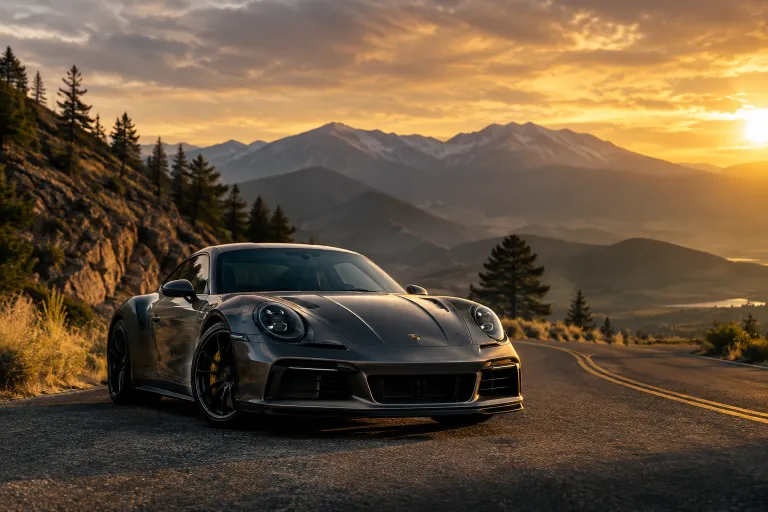
A sports car is a strong choice for a driver who wants to feel closely connected to the road. Its lower center of gravity, focused seating position, immediate steering response, and compact cabin can make a well-planned drive through foothill roads feel special. For an owner with another practical vehicle available, that concentrated experience may be exactly the point.
Consider the Trade-Offs
- Cargo space may be limited to a small trunk or hatch area.
- Rear seating may be absent or best reserved for short trips.
- Low ground clearance can require extra care around driveways, snow buildup, and rough pavement.
- Firm suspensions and performance tires can make some roads feel less forgiving.
A sports car often suits a person who values a Saturday drive near Golden or Boulder more than maximum passenger capacity. It is less compelling when every outing involves bulky gear, frequent back-seat use, or unpredictable conditions.
When a Grand Tourer Is the Better Fit
A grand tourer offers a middle ground between a focused sports car and a traditional luxury vehicle. It can provide confident acceleration and appealing design while placing more emphasis on seat comfort, cabin refinement, luggage space, and relaxed interstate travel. That balance is valuable for drivers who regularly head from Denver to mountain towns or take longer road trips beyond the Front Range.
This format may fit two-person ownership, frequent highway travel, and buyers who want engaging performance without a constantly firm ride. Grand tourers vary widely, however. Some lean toward quiet comfort, while others retain a more aggressive character. When comparing comfort, reliability, safety features, and long-term expectations, luxury-car buying guidance can help keep the decision focused on more than appearance and speed.
Why a Luxury SUV May Offer More Flexibility
A luxury performance SUV can be the most practical answer for a Colorado household that wants one vehicle to do several jobs. The higher seating position may improve outward visibility, while larger cargo areas can accommodate groceries, luggage, outdoor equipment, and everyday supplies. Easier entry and exit can also matter when passengers include children, older relatives, or guests.
The compromises are real. SUVs are generally larger and heavier than comparable coupes, and they may feel less nimble on a narrow, winding road. Larger wheels, specialized tires, and high-performance brake components can also increase replacement costs. Even so, an SUV may be the better single-vehicle solution for drivers who want performance without giving up daily adaptability.
Key Factors to Compare
- Driving position: Decide whether a low, road-focused seat or a higher view of traffic feels more natural.
- Passenger needs: Consider how often adults, children, or pets will ride along.
- Cargo demands: Think beyond groceries to luggage, golf bags, skis, strollers, and work equipment.
- Ride quality: Compare comfort on patched pavement, expansion joints, highway miles, and neighborhood streets.
- Seasonal use: Consider rain, snow, changing temperatures, and whether the vehicle will be driven year-round.
- Performance priorities: Identify whether acceleration, braking, cornering, or long-distance composure matters most.
- Technology: Evaluate parking cameras, driver assistance, navigation, phone connectivity, and ease of use.
Ownership Costs Beyond the Purchase Price
The purchase price is only the opening number. Build a yearly estimate that includes insurance, fuel or charging, registration, scheduled service, tires, brake wear, storage, and possible repairs. Performance-oriented vehicles can require more expensive consumables, particularly when equipped with large wheels, specialized tires, complex suspension systems, or high-output powertrains.
- Routine costs: Include insurance, fuel or charging, registration, and scheduled maintenance.
- Wear items: Plan for tires, brakes, batteries, filters, and fluids.
- Unexpected expenses: Leave room for repairs, cosmetic damage, replacement parts, and roadside assistance.
How to Test Drive Each Vehicle Type
A brief loop around a dealership rarely answers every question. Adjust the seat, steering wheel, and mirrors before moving. Drive on both smooth and imperfect roads, practice low-speed turns and parking, and pay attention to visibility. Check cargo access, rear-seat entry, brake feel, tire noise, wind noise, and the infotainment system while parked.
Most importantly, ask whether the vehicle still feels comfortable and enjoyable after 30 minutes. For a broader look at how comfort, efficiency, safety, and usability affect vehicle choices, the vehicle evaluation criteria in AAA’s car guide offer useful categories to consider during research.
A Simple Decision Checklist
- Choose a sports car if direct driving feel and compact dimensions matter most.
- Choose a grand tourer if long-distance comfort and performance deserve equal priority.
- Choose a luxury SUV if passenger room, cargo capacity, visibility, and all-season flexibility come first.
Before comparing specific models, rank your five most important needs. For Colorado drivers, that list may include mountain-road enjoyment, winter usability, garage fit, passenger comfort, cargo room, or the ability to travel long distances with little fatigue. The best performance vehicle is not the one that wins every category. It is the one that makes your everyday Colorado drive feel like the right one.